Before anything else, I need to say: I'm a huge Star Wars fan, and especially of John Williams. I've been listening to his soundtracks for years — not just while watching the movies, but every chance I get to sit down and truly listen to music. So from that perspective, I'm deeply familiar with Williams' compositional style, and working on this track was nothing short of a Jedi adventure.
How I Connected with Whitney Avalon
I have to say I feel blessed that Malinda (from Translator Fails) introduced me to Whitney Avalon at a time when Whitney was looking for an orchestrator.
A few days after Malinda wrote me about the opportunity, I received the first message from Whitney asking if I was interested in doing an orchestration for her. I replied with a yes, of course. And the next message came with complete instructions for what she needed — she knows exactly what she wants and how to communicate it — an orchestration for the song "Memory" (from Cats) in the style of Star Wars. Just reading the title and the style, I went crazy with excitement. But I took a deep breath, held back the thrill, and responded with a calm Oh, 'Memory' — perfect.
And I started working on it.
Two "Memory" Projects at the Same Time
Around those same days, I had also received a request from Malinda to recreate "Memory" for her channel Translator Fails. So I was already immersed in the song — I knew the progressions, the feeling, everything. I was essentially working on the same song in parallel for two different artists.
They had both chosen this song weeks before the new releases of both the Cats movie and Star Wars Episode 9. I still don't know if they talked to each other about working on the same song at the same time.
Setting Up Before Orchestrating
As part of her instructions, Whitney asked me for very defined tempo and key changes, and to follow the original structure of the song. So as a first step, it was very helpful to create a structure with an instrument playing the melody and chords as a reference.
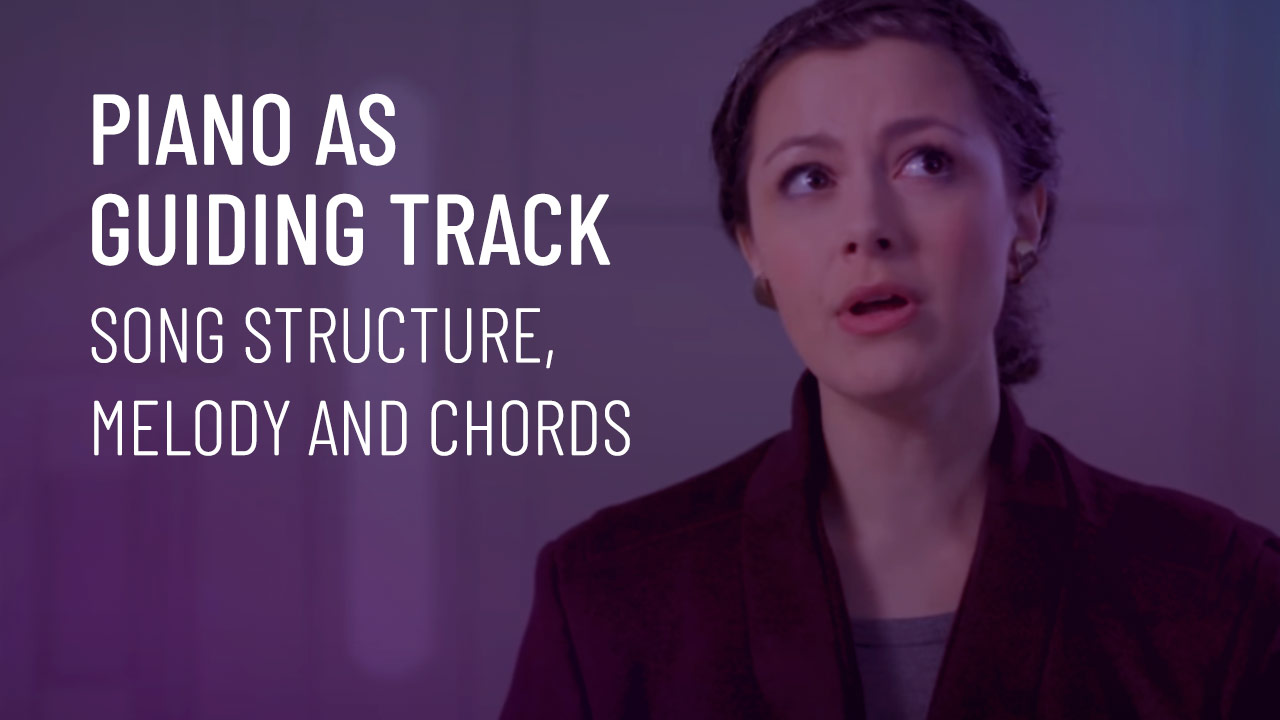
Memory (Star Wars Style) – Piano Guide Track: Structure, Melody & Chords
Before orchestrating a single note, I always start by recording a piano guide track with the melody and chords following the song structure. This gives me — and the client — a complete overview of the arrangement boundaries before committing to the full orchestration. Whitney Avalon approved this foundation before I moved on to the symphonic instruments.
Once I got the approval on this foundation, I dove into the symphonic instruments.
The First Notes: A Long, Exciting Free Fall
I love doing full orchestrations, but as a first project for Whitney, I was deeply insecure about whether she'd like my work. Working as a remote musician, you never know the client's first reaction because you're not there in person. You only get a text message with their impressions — and not always right away. So the wait can feel long, keeping you hanging by a thread.
After a few messages back and forth about the correct tempo, I started recording. Those first notes felt like a long and slow free fall — but at the same time, it was thrilling to merge two worlds in one song. I started with a few notes of that iconic Force Theme — not the full melody, just four notes — played softly with French horns. Then I introduced string lines emulating Williams, with those rich string bodies built between the violins, violas, cellos, and basses. I sent the intro idea to Whitney for feedback.
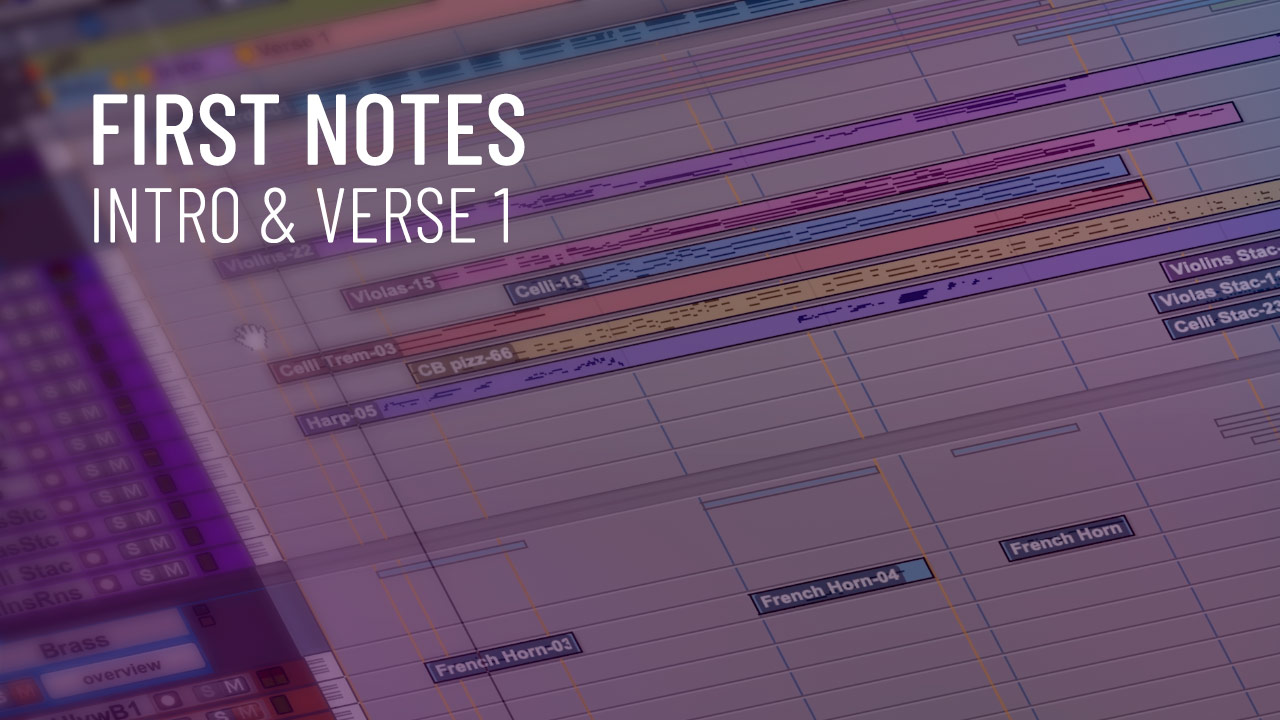
Memory (Star Wars Style) – First Orchestral Notes: Intro & Verse 1
The first orchestral notes for the intro and verse 1. I started with four soft French horn notes referencing the Force Theme, then introduced string lines emulating John Williams — violins, violas, cellos, and basses building rich harmonic bodies. I recorded it almost improvising over the progression, then separated the parts into individual instruments.
When her feedback came back, it was incredible to know she was approving what I was doing. It felt like a new breath of air to continue the work.
I usually record fast, but I spend a lot of time trying things — melodies, sounds, moods, silences. Sometimes I just sit in front of the piano or the DAW listening to what's in my head. And suddenly I find a path where I can't stop — I just go and pull those sounds out of my imagination.
Star Wars Musical References Woven into the Arrangement
The first approach I took for the orchestration was building progressions around the melody in the way I feel Williams does in his arrangements. I also used many sonic elements, but one of the most important aspects was weaving in subtle hints of Star Wars melodies. Since Whitney gave me the custom lyrics she wrote for the track, it was very helpful to know exactly where to place those references. Throughout the arrangement, you can hear notes from The Force Theme, Leia's Theme, Rey's Theme, Anakin's Theme, and more.
Memory (Star Wars Style) – Musical Hints: Force Theme, Leia, Rey & Anakin
The key to making this arrangement feel like Star Wars wasn't recreating full themes, but weaving subtle melodic hints throughout. Using Whitney Avalon's custom lyrics as a guide, I placed references to the Force Theme, Leia's Theme, Rey's Theme, and Anakin's Theme at emotionally resonant moments in the orchestration.

Stems Demo: Hear the Orchestral Layers
Here's a section of the orchestration. I grouped the instruments by type to optimize the web multi-track player, so you can explore each orchestral family — strings, brass, woodwinds, and percussion — individually.
The Final Result: Whitney Avalon's Performance
And here is the final result — Whitney Avalon's beautiful performance over my orchestration, bringing together the emotional world of "Memory" with the epic scope of Star Wars.
If you love orchestral music, film scoring, or want to explore more of my symphonic productions, visit my Music Hub where you'll find multi-tracks, stems, and behind-the-scenes content from projects like this one.
Did you enjoy this post?
Thanks for the vibe!
Or leave a quick word: